In 2025, the term yunbaoo has started showing up in conversations around tech tools, productivity platforms, and online collaboration technologies. While it may sound unusual at first, yunbaoo refers to an emerging suite of tools designed to streamline communication, task management, and team organization. Whether you are a small business owner, a remote worker, or part of a large corporate team, understanding yunbaoo’s core features, benefits, and limitations can help you make smarter decisions about your workflow.
This article explores yunbaoo in detail, explaining what it is, how it works, its pros and cons, and how it fits into the broader landscape of 2025 productivity tools.
What Is yunbaoo?
At its simplest, yunbaoo is a digital platform that combines messaging, project tracking, and resource sharing into one space. Think of it like a hub where teams can talk, plan, and keep all of their important files and deadlines in one place. In an age where people juggle multiple apps—and often struggle to keep information organized—yunbaoo tries to reduce chaos by merging workflows.
In many ways, yunbaoo functions as a cross-between a chat app and a project management tool. Instead of switching between apps for communication and task tracking, users can stay within a unified system. This approach can improve focus and reduce the risk of losing important updates in long inbox threads or scattered documents.
Because yunbaoo is relatively new in 2025, many companies and individuals are still testing its limits. Adoption varies widely based on team size and industry. Regardless, its growing user base shows there is real interest in platforms that simplify digital work life. Below, we break down its main components and what makes yunbaoo different from alternatives.
Key Features of yunbaoo
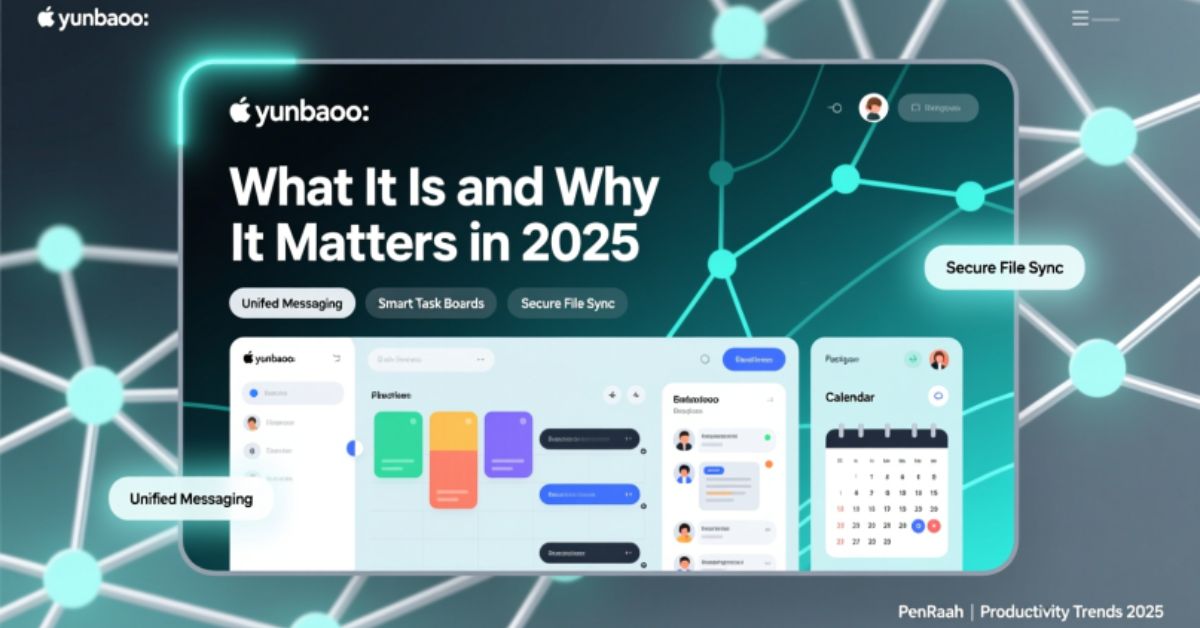
yunbaoo packs a variety of features that aim to enhance communication and task management. Here’s a closer look:
- Unified Messaging: Users can chat one-on-one or in groups without switching to another app.
- Task Boards: Assign, schedule, and track tasks in visual boards that show progress.
- File Storage: Upload and share documents with version control so nothing gets lost.
- Notifications and Alerts: Stay updated with reminders for deadlines and messages.
- Integrations: Connect with calendars, email, and other tools you already use.
Together, these features let teams stay in sync. For users who struggle with too many apps open at once, yunbaoo’s unified design can feel refreshing. Instead of needing separate places for chat and task lists, everything lives in one feed with clear labels and notifications.
Still, having many features in one place also means there is a learning curve. Users need time to adjust, and some may only use a fraction of what yunbaoo offers. That is normal with any tool that tries to be multifunctional.
How yunbaoo Works in Real-World Teams
Using yunbaoo day-to-day is simple once you get the hang of it. Teams typically start by setting up groups for departments, projects, or topics. Within those groups, members can assign tasks, send messages, and collaborate on files. Everything stays organized under clear tags and labels for easy searching.
For example, a marketing team may use yunbaoo to:
- Plan campaign deadlines with task boards
- Chat about content ideas
- Store final assets so designers and writers can access them
- Set alerts for meetings and review dates
Because yunbaoo combines these features, teams often report fewer lost messages and a stronger sense of project ownership. When everyone sees who is responsible for what, accountability tends to improve.
However, it’s worth noting that onboarding new users takes effort. Teams need to set naming conventions and decide how they want to use boards, messages, and file folders. A well-organized yunbaoo setup usually means faster collaboration.
Benefits of Using yunbaoo
When people evaluate yunbaoo, several key advantages stand out:
- Better Organization: Communication, documents, and tasks are all in one place.
- Reduced App Overload: Fewer tools to juggle means less distraction.
- Improved Team Transparency: Everyone sees what others are working on.
- Flexible Views: Boards and lists let teams view work in different ways.
- Custom Integrations: Connect essentials like email and calendar apps.
Many teams especially like how yunbaoo simplifies daily work. Instead of toggling between chat apps and task lists, everything stays in one window. That can cut down on time wasted switching tools and hunting for information. This is especially useful for remote teams where clarity and quick access to updates matter most.
Because tasks and messages live together, yunbaoo also makes it easier to track progress. You can see deadlines and related conversations side by side. That context can be valuable when trying to understand why something was delayed or how a decision was made.
Challenges and Limitations of yunbaoo
No platform is perfect, and yunbaoo has some limitations that teams should consider before fully adopting it:
- Learning Curve: Some users may find initial setup confusing.
- Feature Overload: Fewer large integrations than long-established tools.
- Performance Issues: Very large teams may notice lag without strong networks.
- Notification Fatigue: Too many alerts can distract instead of help.
In 2025, many productivity platforms face the same issue: balancing simplicity with power. yunbaoo leans toward packing many tools into one place. For some teams, that is helpful. For others, it can feel like too much at once.
Being aware of these limitations helps teams decide whether yunbaoo is a good match for their needs. Smaller teams may embrace the simplicity and find it refreshing. Larger organizations may prefer tools with deeper specialization. Either choice can be valid depending on the goals.
Comparing yunbaoo With Other Tools
Here is a comparison of yunbaoo with similar productivity platforms:
| Feature / Tool | yunbaoo | Standard Chat App | Classic Project Tool |
|---|---|---|---|
| Messaging | Yes | Yes | Limited |
| Task Boards | Yes | No | Yes |
| File Sharing | Yes | Limited | Yes |
| Integrations | Moderate | High | High |
| Learning Curve | Medium | Low | Medium |
This table shows why people choose yunbaoo: it offers more functions than a simple chat app while combining key parts of project management without requiring multiple subscriptions.
However, classic project tools may still be stronger in deep task dependency tracking and integration richness. Similarly, chat apps may offer better social features and broader external contacts.
User Experience: Interfaces and Tools
yunbaoo generally offers a user-friendly interface in 2025. Icons are clear, menus are labeled, and visual boards help teams view work at a glance. Many users praise its modern design and easy navigation.
At times, users say they wish yunbaoo provided more tutorial support or customizable themes. Still, most users adjust to the interface within a few days of regular use.
Many people appreciate that yunbaoo lets you see conversations and tasks together. That reduces the need to switch between windows or tabs. For users who multitask, this can save minutes every day that add up to real time savings.
To get the most value, teams should agree on naming conventions and folder structures early on. That makes searching and organizing much easier.
Security and Privacy in yunbaoo
Security matters in every productivity platform, and yunbaoo makes privacy a priority. The platform uses encryption to protect messages and files. It also supports access controls so only authorized users can see certain content.
That said, no system is immune to risks. Users should still:
- Use strong, unique passwords
- Enable two-factor authentication
- Regularly audit user access
- Train teams on safe file sharing
Strong security practices are as important as the tools themselves. Even the safest platforms can become vulnerable if login information is shared or stored insecurely.
Who Should Consider yunbaoo in 2025?
yunbaoo works well for:
- Small and medium teams
- Remote workers
- Project groups with cross-functional roles
- Teams that want communication and task management in one place
It may be less ideal for:
- Very large enterprises needing deep customization
- Teams relying on heavy automation integrations
- Groups already locked into another ecosystem
Before adopting yunbaoo, teams should map out what they truly need from a productivity tool. Clear requirements make it easier to decide whether yunbaoo fits or if another platform is better suited.
Tips for Getting Started With yunbaoo
To begin using yunbaoo successfully:
- Define Team Roles: Assign who will manage boards, messages, and files.
- Set Naming Rules: Use consistent labels for tasks and folders.
- Train Early Users: Provide short walkthroughs for new members.
- Monitor Usage: Check how often features get used and adjust workflows.
- Review Alerts: Customize notifications to cut down on noise.
These steps help teams avoid confusion and frustration. Jumbling features without a plan can make any tool feel overwhelming.
Common Mistakes to Avoid
Some common errors with yunbaoo include:
- Using default settings without customization
- Not training team members on new workflows
- Ignoring unused or outdated files
- Overlapping communication channels (like chat + email)
Avoiding these pitfalls can save time and improve productivity. The goal is to streamline work, not create new layers of complexity.
Key Takeaways
- yunbaoo merges messaging and task management in one space.
- It helps teams stay organized and reduces the need for many apps.
- There are pros and cons based on team size and needs.
- Training and clear naming systems improve results.
- Security practices remain essential for all users.
Internal Link to usmagazineblog
For additional insight into how unified collaboration platforms are shaping productivity in 2025, you can explore related discussions on usmagazineblog at https://usmagazineblog.com/.
Conclusion
In 2025, yunbaoo represents a growing category of all-in-one productivity platforms. Its blend of communication, task tracking, and file sharing appeals to teams looking for simplicity without sacrificing key features. Like any tool, it has limitations and requires thoughtful implementation. When used with clear protocols and smart security practices, yunbaoo can become an effective hub for team collaboration.
Frequently Asked Questions (FAQ)
Is yunbaoo free to use?
It often offers both free and paid plans, depending on features and team size.
Can yunbaoo replace email?
It can reduce internal email but may not fully replace external email communication.
Does yunbaoo have mobile apps?
Yes, most platforms include mobile support for on-the-go access.
Is yunbaoo secure for sensitive work?
With proper security settings, it can protect most standard business communications.
Can yunbaoo integrate with calendars?
Yes, calendar syncing is a common integration.