The term sqrwomensrestroom has gained attention in 2025 as people search for ways to improve hygiene, privacy, accessibility, and smart technology inside women’s restrooms. Even though the word itself is unfamiliar to many, users often associate it with smart restroom systems that support monitoring, queue management, touchless controls, and safety alerts in public or commercial buildings. This article explains what sqrwomensrestroom represents, how it works in practice, why businesses are adopting similar systems, and the balance of benefits and limitations.
If you are exploring restroom upgrades or planning facility improvements, understanding sqrwomensrestroom could help you evaluate what features matter most for your visitors and staff.
What Is sqrwomensrestroom?
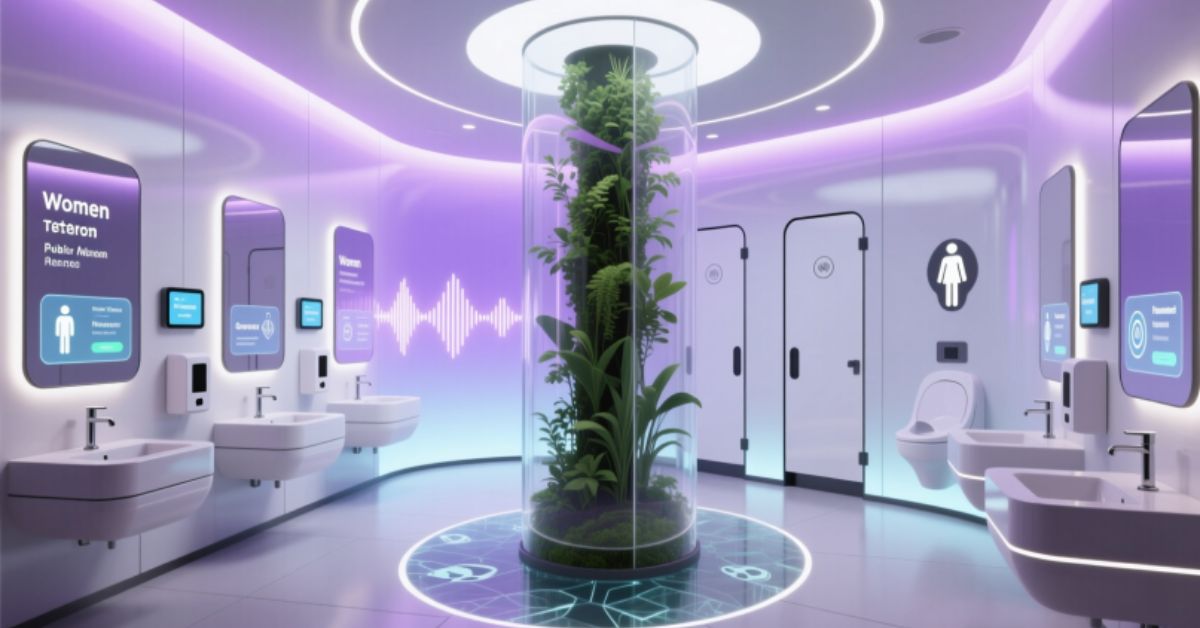
The sqrwomensrestroom term describes an approach to restrooms that blends technology with privacy and accessibility. Instead of a traditional restroom with only stalls and sinks, a sqrwomensrestroom setup can include automated sanitation systems, occupancy indicators that don’t reveal identities, air quality controls, touchless hardware, and layout designs to reduce wait times. While the exact system may vary, its impact focuses on helping visitors feel secure, clean, and respected when using public facilities. Many commercial property owners view sqrwomensrestroom features as a competitive advantage because customer comfort affects repeat business.
The concept has grown in shopping malls, universities, airports, and workplaces. Supporters see it as part of a larger shift toward smart infrastructure. Critics warn that tech should never replace trained staff or basic maintenance.
How sqrwomensrestroom Designs Improve Visitor Experience
Visitor experience is often the biggest driver for adopting sqrwomensrestroom systems. In a standard restroom, visitors may face unclear wait times, unclear hygiene standards, or no sign of assistance when something malfunctions. In comparison, sqrwomensrestroom layouts use visual guidance, digital stall indicators, accessible pathways, and ventilation systems that circulate air more frequently. These features help reduce discomfort and uncertainty. Some locations combine these upgrades with seating zones outside the entrance, stroller parking, or lactation support areas.
However, an overreliance on screens or apps can create confusion if a system goes offline. Facility teams need contingency plans and analog signage for outages. Upkeep requires coordination between operations, IT, and custodial departments.
Privacy and Security Standards in a sqrwomensrestroom
Privacy concerns are central. A sqrwomensrestroom should never use cameras inside stalls or areas where people undress, and laws in the United States protect that expectation. Most facilities use door sensors, not video, to detect occupancy. Another feature is panic buttons or silent alert systems that connect directly to on-site personnel or security desks. The risk is false alarms if the system is too sensitive. Visitors should understand what triggers an alert and feel confident that their data is not being stored in a way that harms their personal privacy.
Managers can improve trust by sharing their privacy policy up front in plain language. Another safeguard is designing entrances with better visibility for staff without compromising restroom privacy.
Touchless Tech and Hygiene in sqrwomensrestroom
Touchless fixtures are familiar in 2025, but a sqrwomensrestroom takes it further. Instead of just motion-sensor sinks, these systems may sync to maintenance dashboards that notify staff when soap or paper runs low. This reduces the chance of users encountering empty supplies. Advanced models include UV sanitation on door handles or antimicrobial surface coatings.
While useful, some people report irritation or dryness from constant exposure to high-intensity dryers or strong sanitizers. Another challenge is cost. Touchless features have recurring maintenance expenses. Property owners should track usage patterns before investing to avoid needless spending.
Accessibility and Inclusivity Considerations
A sqrwomensrestroom is expected to support diverse needs. In practice, that means wider stalls for mobility devices, signage for low-vision users, and controls placed at reachable heights. Facilities that ignore these requirements risk signaling that only certain people are welcome. Adding a staff-attended assistance bell or QR code for service requests can help individuals who need extra support.
The challenge is avoiding assumptions. Some spaces treat accessibility as a checklist instead of a process. Teams should consult real users when planning upgrades.
Safety Features Without Over-Policing
Safety upgrades in sqrwomensrestroom systems might include emergency call buttons, crowd sensors, and non-intrusive audio that alerts staff if someone appears in distress. These systems aim to help without making visitors feel monitored. The danger is overuse of detection tools that could feel invasive if poorly implemented. Cultural sensitivity matters because some users may have past experiences that make them wary of surveillance in intimate spaces. The best practice is using only what is necessary and keeping the default state passive until triggered by need.
Comparing sqrwomensrestroom vs Traditional Restrooms
| Feature | sqrwomensrestroom | Traditional Restroom |
|---|---|---|
| Touchless Use | High | Moderate to Low |
| Privacy Enhancements | Contextual alerts, occupancy indicators | Basic stall locks |
| Accessibility Design | Built-in planning | Sometimes retrofitted |
| Cost | Higher upfront, moderate upkeep | Lower upfront |
| User Feedback Tools | QR reports, notification systems | Static signage |
Some facility owners choose hybrids rather than full conversions to manage cost.
How to Implement sqrwomensrestroom Features in 2025
Before upgrading, build a checklist. Assess the building’s existing plumbing, electrical access, ventilation, and traffic flow. A popular method is piloting one restroom before scaling. This prevents wasted investment. You also want written protocols that specify how staff should respond to alerts. Without a coordinated plan, the technology creates workload rather than improvement. Be honest about limits. Not every building can support every feature. Smart restroom success depends more on consistency than novelty.
Maintenance and Operational Realities
A sqrwomensrestroom is not self-running. Staff still need to inspect surfaces, restock supplies, and respond to problems. One recurring challenge is Wi-Fi coverage. High-density buildings sometimes struggle with reliable signals inside enclosed restrooms. Wired or mesh solutions may be necessary. When maintenance requests flow through an app or dashboard, staff must manage digital tickets. If your workforce doesn’t have access to mobile devices, the system becomes ineffective. Investment requires planning, not just purchasing.
Budgeting and Cost Considerations
The cost of implementing sqrwomensrestroom tech varies. The most expensive items are usually smart stall sensors and ventilation upgrades. Budget ranges can start at a few thousand dollars for partial renovations and exceed six figures for full conversions. Some property managers attempt phased strategies, focusing on accessibility first, then touchless fixtures, then digital systems. It’s also important to track return on value, not just return on investment. Preventing one incident of harassment or avoiding a recurring mold issue can justify the budget.
Legal and Regulatory Concerns
Restrooms are regulated by building codes, Americans with Disabilities Act (ADA) standards, and sanitation rules. A sqrwomensrestroom must meet these requirements to avoid penalties. Regulations vary by state. Before construction, consult a professional familiar with local ordinances. Avoid adding features that could be interpreted as surveillance. Intent is not enough. Compliance depends on implementation.
Integrating sqrwomensrestroom With Building Ecosystems
Some businesses integrate sqrwomensrestroom systems into their existing building management platforms. This allows air quality sensors, temperature controls, and stall occupancy counters to sync with security or maintenance programs. Integration reduces redundant work and lets teams view everything from a central dashboard. Problems arise if systems come from multiple vendors that don’t communicate. Consider interoperability before choosing products.
Key Takeaways
- sqrwomensrestroom focuses on privacy, accessibility, and hygiene through smart upgrades.
- Overuse of tech can backfire if it feels invasive.
- Maintenance planning matters more than trend following.
- Budget and legal compliance should guide design choices.
- Ask real users what they need before building anything.
Internal Link Example
If you want to learn more about how digital tools are shaping 2025 user experience standards, you can find related insights on USMAGAZINEBLOG at https://usmagazineblog.com/.
Conclusion
A sqrwomensrestroom represents more than a tech trend. It is an ongoing effort to balance privacy, comfort, accessibility, and responsibility. Upgrades should never feel like surveillance, and design should support real people instead of theoretical models. If you decide to move forward with restroom improvements, evaluate the problems you want to solve first. The right features will follow from clarity, not hype.
FAQ
Why would small businesses consider sqrwomensrestroom upgrades?
To reduce complaints and improve customer satisfaction without expanding floor plans.
Can sqrwomensrestroom systems work in old buildings?
Yes, but expect more limitations and engineering costs.
Do users need apps to access sqrwomensrestroom features?
Not always. Many features should remain usable offline.
How long does installation usually take?
Partial upgrades can take days; full renovations may take months.
Can sqrwomensrestroom help with vandalism prevention?
Only indirectly, by improving staff response times and visibility.