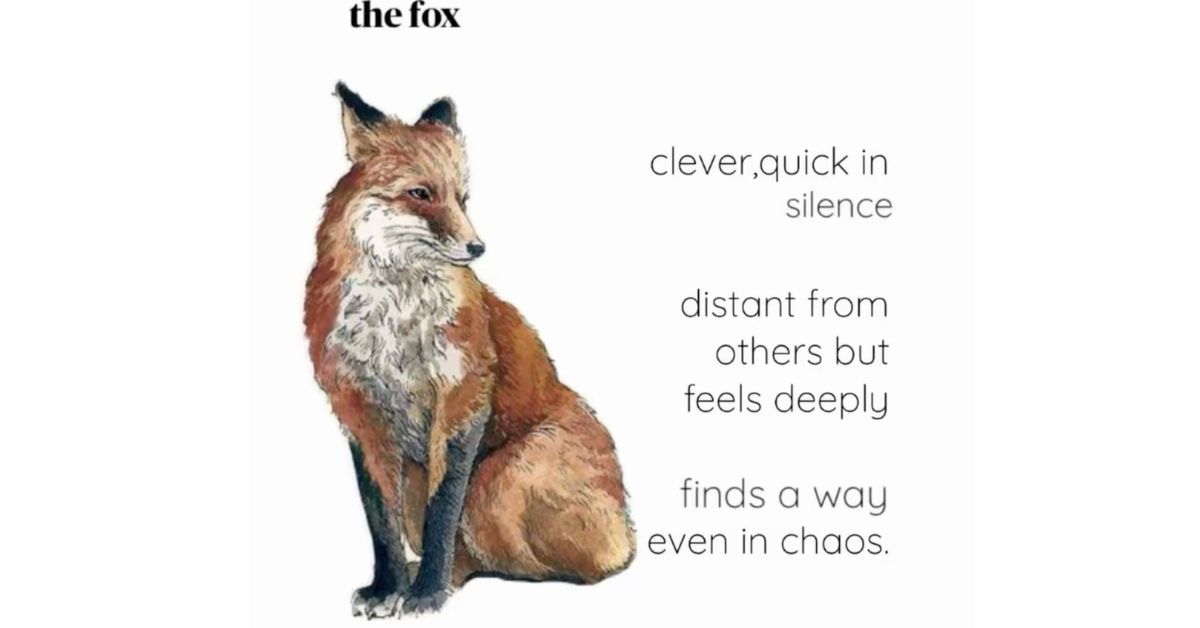
Have you ever been jolted awake in the dead of night by a sound so haunting it seemed to come from a horror movie? If you live near a wooded area or even in a suburban neighborhood, there is a good chance you have heard a red fox scream. This vocalization is often described as “blood-curdling” or sounding like a person in distress. In the quiet of a winter night, it can truly send shivers down your spine.
Understanding the red fox scream is about more than just satisfying curiosity; it is about demystifying a natural phenomenon that has fueled myths for centuries. From the legends of the Irish Banshee to modern-day urban legends, this sound has a way of capturing our imagination. In 2026, as urban sprawl continues to push humans and wildlife into closer proximity, knowing what these sounds actually mean is essential for peaceful coexistence.
In this guide, we will dive deep into why these clever canids make such a racket. We will explore the biology behind the noise, the seasonal patterns you should expect, and how to tell the difference between a fox and other nocturnal neighbors. By the end, you will be an expert on the vocal repertoire of the Vulpes vulpes.
Key Takeaways: The Red Fox Scream at a Glance
- Mating Rituals: The primary reason for the loud red fox scream is attracting a mate during the winter months.
- Territorial Warnings: Foxes use these vocalizations to defend their space from rivals.
- Human-Like Quality: The sound is often mistaken for a human screaming due to its high-pitched, raspy frequency.
- Peak Season: You are most likely to hear these calls between December and February.
- Harmless Nature: Despite the scary sound, a screaming fox is rarely a threat to humans or large pets.
Why the Red Fox Scream Sounds So Terrifying
The first time most people hear a red fox scream, their immediate instinct is to call for help. The sound is incredibly high-pitched and carries a raspy, strained quality that mimics a human voice. Scientifically, this is due to the structure of the fox’s larynx and the way they push air through their vocal cords to maximize the distance the sound travels.
In the wild, sound is a tool for survival. Because foxes are mostly active at night, they cannot rely on visual cues to find each other in dense brush or darkness. The red fox scream is designed to cut through the silence of the night, traveling up to a mile under the right conditions. This ensures that even if a potential mate is far away, the message is received loud and clear.
It is also worth noting that the “vixen scream” is just one part of their vocabulary. While it is the most famous, it is often followed by a series of barks or “yaps.” To the untrained ear, it sounds like chaos, but to another fox, it is a sophisticated data packet containing information about the caller’s location, sex, and intentions.
The Role of Mating Season in Fox Vocalizations
If you find that the frequency of the red fox scream peaks in January, you aren’t imagining things. This is the height of the breeding season for red foxes across North America and Europe. During this window, female foxes—known as vixens—become much more vocal. They use a sharp, piercing shriek to let nearby males (dog foxes) know they are ready to mate.
The “dog” foxes aren’t quiet either. While the vixen’s call is the true “scream,” the males often respond with a “hup-hup-hup” triple-bark. This back-and-forth communication is essential because a vixen is only fertile for a very short period each year. If she doesn’t find a mate quickly, she misses her chance. This urgency is reflected in the sheer volume and persistence of the red fox scream during these cold winter nights.
Interestingly, the actual act of mating can also be quite noisy. If you hear a series of screams that seem to go on for several minutes, it may be a pair of foxes in the middle of a “mating tie.” This is a natural biological process where the pair is physically joined for a short time, and the resulting vocalizations can sound quite distressed, though it is a normal part of their biology.
Territorial Disputes and the Red Fox Scream
While love is a major motivator, war is another reason for a red fox scream. Foxes are highly territorial animals. They spend a significant amount of time marking their boundaries with scent and sound. When a wandering fox enters the territory of an established pair, the residents will often use loud shrieks to warn the intruder to leave immediately.
In urban environments, where territories are smaller and food is more abundant, these disputes happen more frequently. You might hear two foxes “screaming” at each other from opposite sides of a fence. This vocal posturing is often enough to prevent a physical fight, which saves both animals from potential injury. The red fox scream acts as a long-distance fence, keeping the neighborhood peace through intimidation.
If you are following wildlife trends on sites like https://usmagazineblog.com/, you may have noticed that urban fox sightings are on the rise. This means more people are experiencing these territorial “shouting matches” in their backyards. While it can be annoying, it is simply the foxes’ way of managing their social hierarchy without resorting to violence.
Features of a Red Fox Scream vs. Other Animal Sounds
One of the most common questions wildlife experts get is: “Was that a fox or an owl?” Identifying a red fox scream becomes easier once you know what to listen for. Unlike the “who-who” of a Great Horned Owl or the screech of a Barn Owl, the fox’s call has a distinct “mammalian” rasp. It sounds more like it is coming from a throat than a beak.
| Feature | Red Fox Scream | Barn Owl Screech | Bobcat Yell |
| Pitch | Very High/Piercing | Constant High Shrill | Deep/Guttural Start |
| Pattern | 1-3 seconds per scream | Long, sustained hissing | Repeated “wow” sounds |
| Tone | Raspy/Human-like | Mechanical/Steam-like | Cat-like/Screechy |
| Seasonality | Peak Winter (Dec-Feb) | Year-round | Early Spring |
As you can see, the red fox scream is unique in its human-like quality. Coyotes also scream, but their calls are almost always accompanied by a series of high-pitched yips and long howls that signify a pack presence. A red fox is a solitary hunter, so if the scream sounds lonely and isolated, it’s a high probability it belongs to a fox.
Risks and Safety: Should You Be Worried?
Hearing a red fox scream right outside your window can be unsettling, but is there any actual danger? For the average adult or large pet, the answer is no. Foxes are naturally shy and would much rather run away than confront a human. The scream is a communication tool, not a declaration of war against your household.
The primary risk associated with foxes isn’t their noise, but rather the potential for disease, such as mange or, in rare cases, rabies. However, a fox that is screaming is usually behaving normally. Rabid foxes are more likely to be found wandering aimlessly, acting “drunk,” or showing uncharacteristic aggression during the day. If you hear a red fox scream at 2:00 AM, it is almost certainly just a healthy fox doing fox things.
For small pets like kittens or rabbits, it is always a good idea to keep them indoors at night. While a fox won’t “attack” a person because of a scream, they are opportunistic hunters. Keeping your yard clear of pet food and securing your trash cans are the best ways to ensure that the only interaction you have with them is a distant, auditory one.
Pros and Cons of Having Foxes in Your Neighborhood
While the red fox scream might be a “con” for your sleep schedule, these animals provide significant benefits to the local ecosystem. In 2026, many homeowners are beginning to appreciate foxes as a natural form of pest control. They are experts at catching rodents that might otherwise find their way into your basement or garden.
Pros:
- Rodent Control: Foxes eat thousands of mice and rats every year.
- Biodiversity: They are a key part of a healthy local food web.
- Educational Value: Observing (and hearing) them provides a unique connection to nature.
Cons:
- Noise Disturbance: The red fox scream can be very loud and startling.
- Pet Safety: Small outdoor pets may be at risk if not properly supervised.
- Garden Digging: Foxes sometimes dig small holes while looking for grubs or burying food.
Balancing these factors is key. Most wildlife enthusiasts find that the occasional nocturnal wake-up call is a small price to pay for the “free” pest control services a fox family provides to the neighborhood.
How to Deter Foxes if the Screaming is Too Much
If you find that the red fox scream is happening too frequently and affecting your quality of life, there are humane ways to encourage them to move along. You don’t need to resort to harsh chemicals or traps. Because foxes are timid, simple changes to your environment can make your yard less appealing as a hangout spot.
First, try using motion-activated lights or sprinklers. A sudden burst of light or water is usually enough to startle a fox and send it scurrying. Additionally, removing food sources is vital. If you feed your cat on the porch, you are essentially inviting the foxes to a buffet. Once the food is gone, the foxes will likely move their vocal performances elsewhere.
Another effective method is using “scent deterrents.” Foxes have a very sensitive sense of smell. Ingredients like chili pepper, garlic, or even certain commercial ultrasonic devices can create an uncomfortable environment for them. Remember, the goal isn’t to hurt them, but to remind them that your backyard isn’t the best place for a red fox scream concert.
The Evolution of the Red Fox Scream in Urban Myths
The red fox scream has been haunting human ears since we first stepped into the woods. In ancient times, people didn’t have the benefit of high-definition YouTube videos to identify animal sounds. When they heard a woman’s shriek in the middle of a dark forest, they assumed the worst. This led to the creation of various “spirits” and “ghosts” in folklore.
In 2026, we have the science to explain these sounds, but the mystery remains. There is something primal about hearing a red fox scream that taps into our evolutionary instincts. It reminds us that even in our modern, electrified world, nature is still very much alive and active just beyond our doorsteps.
Modern media has also played a role in how we perceive these sounds. From viral “What does the fox say?” videos to nature documentaries, the red fox has become a bit of a celebrity. However, nothing compares to the real thing. The raw, unedited power of a red fox scream in person is an experience that stays with you.
Usability and Observation in 2026
For those interested in wildlife photography or recording, 2026 offers better tools than ever to capture the red fox scream. High-sensitivity microphones and night-vision cameras have become affordable for the average hobbyist. This allows us to observe these beautiful creatures without disturbing their natural behavior.
If you are planning to record a red fox scream, the best time to set up your gear is right at dusk. Foxes are crepuscular, meaning they are most active during the twilight hours of dawn and evening. By placing a recorder near a known “run” or a safe distance from a den, you can capture high-quality audio of their unique vocalizations.
Just remember to maintain your distance. Using the “rule of thumb”—if you can’t cover the entire animal with your thumb held at arm’s length, you’re too close—is a great way to ensure the animal stays comfortable. A stressed fox might stop screaming, but it will also stop its natural behaviors, which defeats the purpose of observation.
Conclusion
The red fox scream is one of nature’s most misunderstood sounds. While it can be frightening to hear in the middle of the night, it is a vital part of the fox’s social and reproductive life. Whether they are calling out for a mate in the winter chill or defending their territory from a rival, these vocalizations are a testament to the adaptability and complexity of the red fox.
By understanding the “why” behind the noise, we can move from fear to fascination. The next time you are woken up by that unmistakable shriek, you can roll over and smile, knowing that a little bit of wild magic is happening right in your neighborhood.
Would you like me to help you create a localized wildlife guide or perhaps write an article on how to safely photograph foxes in your backyard?
Frequently Asked Questions
Does a red fox scream mean it is in pain?
No, a red fox scream is almost always a form of communication for mating or territory, not an indication of physical injury.
Can a red fox scream attract predators like coyotes?
Yes, loud vocalizations can signal a fox’s location to larger predators, which is why they often remain silent for most of the year outside of mating season.
Are urban foxes louder than rural foxes?
Recent studies suggest urban foxes may scream more frequently due to higher population densities and more frequent territorial overlaps in city environments.
Do baby foxes (kits) make the same screaming sound?
No, kits typically make high-pitched yaps, whimpers, or a unique chattering sound called “gekkering” rather than the full-blown vixen scream.
Should I call animal control if I hear a red fox scream every night?
Generally, no; unless the fox is acting sick or aggressive during the day, the nighttime red fox scream is considered normal wildlife behavior.