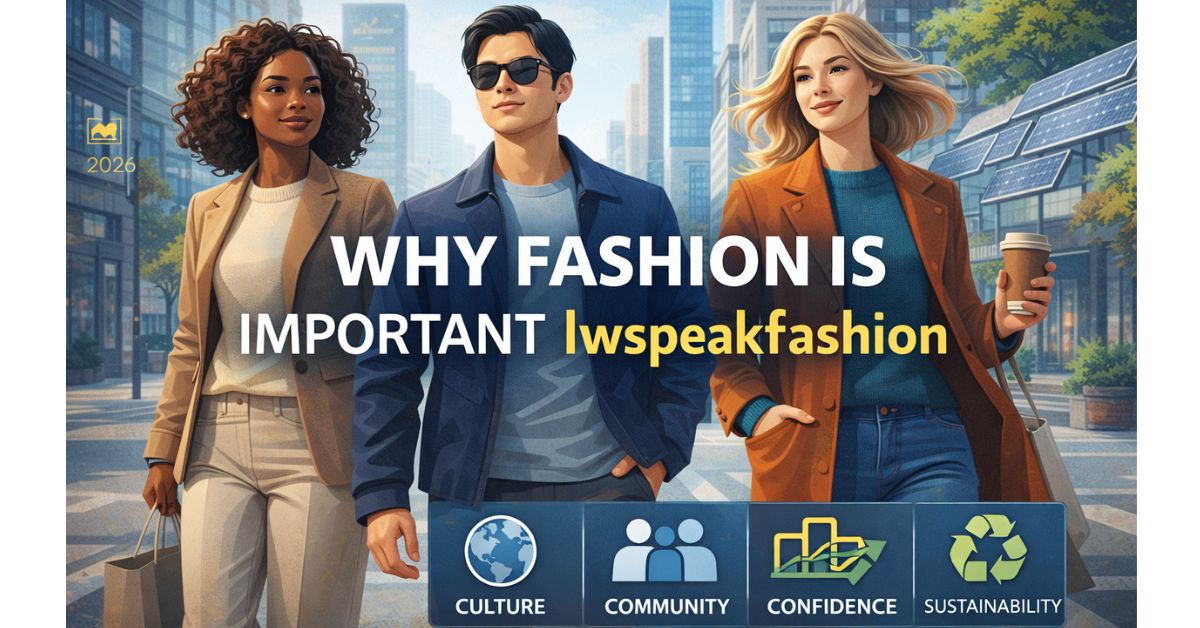
Fashion is often misunderstood as something shallow or trend-driven. In reality, fashion plays a deep role in how people express identity, culture, and values. When we talk about why fashion is important lwspeakfashion, we are not just discussing clothes. We are talking about communication, confidence, creativity, and social connection.
In 2026, fashion has become more thoughtful and purpose-driven. People want clothing that reflects who they are and what they stand for. From sustainable materials to inclusive sizing, fashion now responds to real human needs. In the United States, fashion also supports jobs, innovation, and local communities.
This article explains why fashion is important lwspeakfashion in a practical way. It covers benefits, risks, limitations, and how fashion fits into everyday life without exaggeration or hype. Everything here is written to inform, not persuade.
What Fashion Really Means in Modern Society
Fashion is a form of nonverbal communication. What people wear sends signals about personality, mood, profession, and values. This is one of the key reasons why fashion is important lwspeakfashion in daily life.
In modern society, fashion helps people navigate social spaces. A teacher, student, or business professional uses clothing differently, but all rely on fashion to feel appropriate and confident. Clothing choices influence first impressions and self-perception.
Fashion is also tied to cultural history. Traditional clothing, modern streetwear, and professional dress all tell stories. In the US, fashion reflects diversity and personal freedom. It allows people to mix styles and create something unique.
Rather than being about trends, fashion today is about intention. People think more carefully about what they buy and why. This shift makes fashion more meaningful and less disposable.
Why Fashion Is Important lwspeakfashion for Self-Expression
Self-expression is one of the strongest arguments for why fashion is important lwspeakfashion. Clothing allows people to show who they are without speaking.
When someone chooses colors, fabrics, or styles, they are making personal statements. Fashion can reflect creativity, confidence, or even comfort needs. For teenagers and adults alike, clothing helps build identity.
In 2026, self-expression through fashion is more accepted. Gender-neutral styles, adaptive clothing, and inclusive designs allow more people to participate. This reduces pressure to fit into narrow standards.
However, self-expression also requires balance. Not everyone wants attention, and fashion should support comfort, not stress. The goal is authenticity, not approval. Fashion works best when it helps people feel like themselves.
The Social and Cultural Value of Fashion
Fashion connects people across communities. It reflects shared values and changing norms. This social role explains why fashion is important lwspeakfashion beyond personal style.
Cultural fashion tells stories of heritage and history. Festivals, ceremonies, and everyday wear often carry meaning passed down through generations. In the US, fashion blends influences from many cultures, creating something new.
Social movements also influence fashion. Messages about sustainability, equality, and inclusion often appear in clothing design. This makes fashion a mirror of society rather than just decoration.
Still, cultural fashion must be respected. Borrowing without understanding can cause harm. Responsible fashion values education and context. When done right, fashion builds connection rather than division.
Fashion and Confidence in Everyday Life
Confidence is closely linked to how people feel in their clothes. This practical benefit shows why fashion is important lwspeakfashion in real situations.
Wearing clothing that fits well and suits the occasion can improve posture, mood, and focus. Students may feel more prepared, and professionals may feel more capable. This does not mean expensive clothing, just thoughtful choices.
Fashion also supports mental comfort. Soft fabrics, proper sizing, and functional design reduce distraction. In 2026, comfort is no longer separate from style.
At the same time, relying too much on fashion for confidence can be risky. Confidence should come from skills and character as well. Clothing should support confidence, not replace it.
Economic Importance of Fashion in the United States
The fashion industry supports millions of jobs in the US. Designers, manufacturers, retailers, marketers, and content creators all rely on fashion. This economic role explains why fashion is important lwspeakfashion at a national level.
Fashion also supports small businesses. Local designers, thrift shops, and online creators contribute to local economies. Digital platforms have made it easier for independent voices to grow.
Media and publishing platforms, including fashion commentary seen on sites like https://usmagazineblog.com/, help educate consumers and support informed choices.
However, fast production cycles can create waste and pressure. In response, many US brands are shifting toward slower, more responsible models that prioritize quality over volume.
Pros and Cons of Fashion in 2026
Fashion has clear benefits, but it also has limitations. Understanding both sides strengthens the discussion of why fashion is important lwspeakfashion.
Pros:
- Encourages creativity and identity
- Supports jobs and innovation
- Improves confidence and comfort
- Reflects cultural values
Cons:
- Can create social pressure
- Environmental impact if poorly managed
- Cost barriers for some consumers
The key is balance. Fashion should serve people, not control them. Thoughtful consumption reduces harm and increases value.
Fashion and Sustainability Trends
Sustainability is central to fashion in 2026. This shift is a major reason why fashion is important lwspeakfashion today.
Consumers now care about materials, labor practices, and durability. Brands respond by using recycled fabrics, ethical sourcing, and transparent production.
Sustainable fashion reduces waste and promotes long-term use. It also encourages people to buy less but better. This approach benefits both the planet and the consumer.
Still, sustainability requires honest communication. Overstated claims damage trust. Clear labeling and education help consumers make informed choices.
How Fashion Impacts Daily Usability
Fashion must be usable. Clothing that looks good but feels uncomfortable fails its purpose. This practical view reinforces why fashion is important lwspeakfashion.
Modern fashion focuses on mobility, weather adaptability, and maintenance. Wrinkle-resistant fabrics, flexible fits, and washable materials support busy lives.
Usability also includes accessibility. Adaptive clothing allows people with disabilities to dress independently. This is a meaningful step toward inclusive design.
When fashion prioritizes usability, it becomes part of daily problem-solving, not just appearance.
Fashion vs Function: A Simple Comparison
| Aspect | Fashion-Focused | Function-Focused |
|---|---|---|
| Comfort | Medium | High |
| Visual appeal | High | Medium |
| Daily wear | Sometimes | Often |
| Longevity | Varies | Higher |
The best fashion in 2026 blends both, showing why fashion is important lwspeakfashion without extremes.
Key Takeaways
- Why fashion is important lwspeakfashion goes beyond trends
- Fashion supports identity, culture, and confidence
- Economic and social impacts are significant
- Sustainability and usability matter in 2026
- Balance creates long-term value
Conclusion
Fashion is not about excess or attention. It is about communication, comfort, and connection. Understanding why fashion is important lwspeakfashion helps people make smarter, more intentional choices.
In 2026, fashion succeeds when it respects people and resources. It should fit real lives, not force unrealistic standards. When approached thoughtfully, fashion becomes a useful and meaningful part of everyday life.
FAQs
1. Does fashion influence workplace productivity?
Yes, comfortable and appropriate clothing can improve focus.
2. Can fashion support mental well-being?
Clothing that feels good can reduce daily stress.
3. Is fashion relevant for older adults?
Absolutely, comfort and self-expression matter at every age.
4. How often should people update their wardrobe?
Only when needs change, not because of trends.
5. Does fashion affect social inclusion?
Inclusive design helps more people feel represented.